
Shipping Containers for Sale: How to Choose the Right Container for Your Business
Shipping containers have become an essential solution for businesses, contractors, exporters, retailers, and individuals who need reliable storage and transportation options. Originally designed to transport goods across long distances, shipping containers are now widely used for storing equipment, protecting inventory, transporting cargo, and supporting various commercial operations.
Choosing the right shipping container can help you protect valuable goods, manage storage requirements, and improve operational efficiency. However, before purchasing a container, it is important to understand the available options, their uses, and the factors that determine which container is best for your needs.
What Are Shipping Containers?
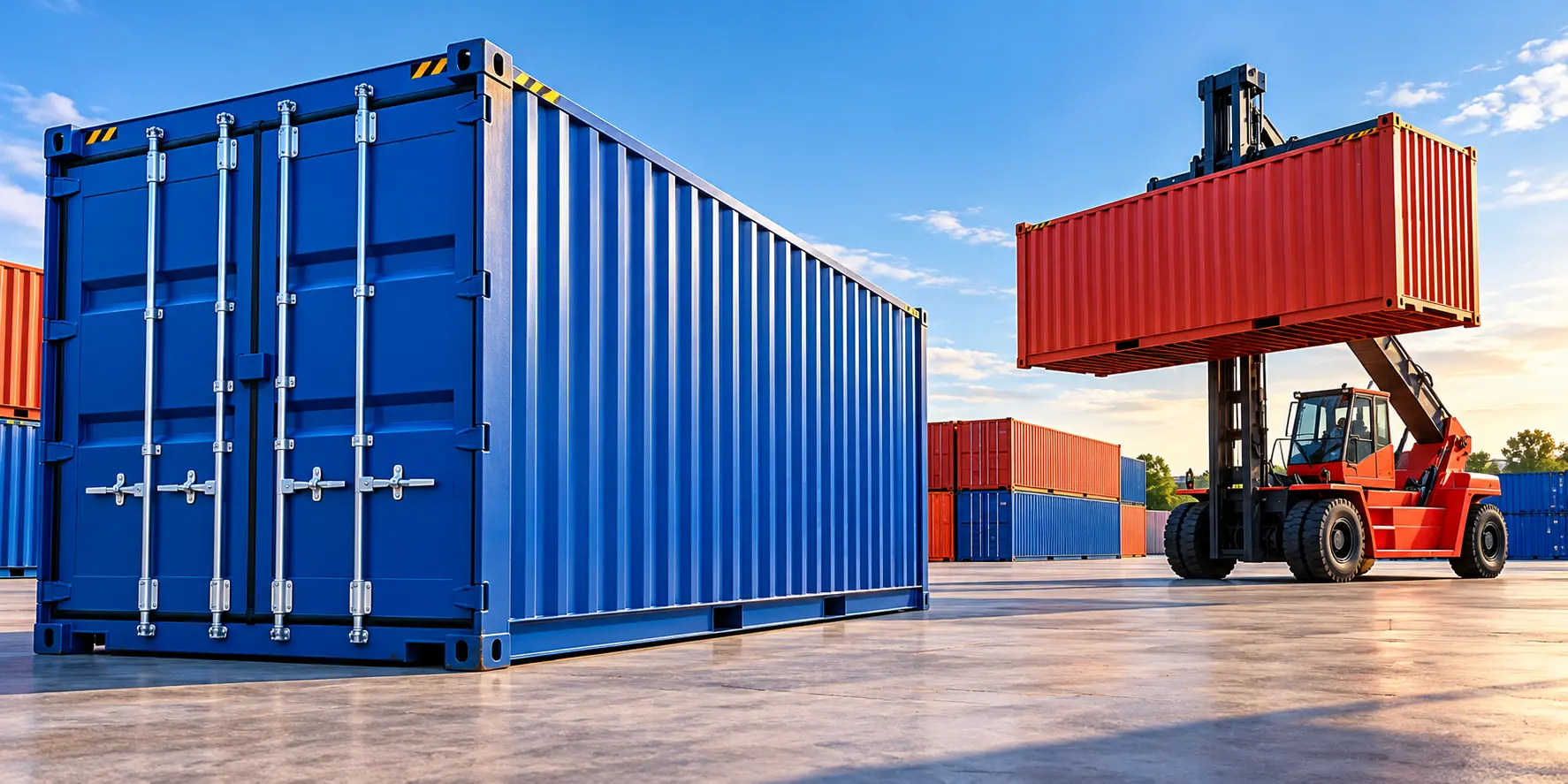
Shipping containers are strong, durable structures designed to carry and store goods safely. They are generally manufactured using steel and built to withstand demanding transportation and handling conditions.
These containers are commonly used in shipping, logistics, construction, agriculture, manufacturing, retail, and warehousing. Their standardized dimensions also make them suitable for transporting goods by road, rail, and sea, depending on the container type and applicable requirements.
Businesses can use shipping containers for temporary storage, long-term inventory management, or transporting products between locations.
Different Types of Shipping Containers
Understanding the different types of containers is the first step toward making the right purchasing decision.
1. Standard Shipping Containers
Standard shipping containers are among the most commonly used options for transporting and storing general cargo. They are suitable for boxed products, machinery, furniture, tools, packaged goods, and other items that do not require specialized temperature control.
These containers are available in different sizes, with 20-foot and 40-foot options being common choices. The right size depends on the quantity of goods, available space, and transportation requirements.
2. High Cube Containers
High cube containers offer additional internal height compared with standard-height containers of similar lengths. This extra space can be beneficial when storing tall equipment, bulky materials, or goods that need more vertical clearance.
Businesses should compare the internal dimensions and door openings before selecting a high cube container for specific storage or cargo requirements.
3. Refrigerated Containers
Refrigerated containers, often called reefer containers, are designed to maintain controlled temperatures for suitable temperature-sensitive products.
They are commonly used for certain food products, beverages, pharmaceuticals, and other goods that require temperature management. Buyers should confirm the container's operating condition, refrigeration specifications, temperature range, and maintenance history before purchasing.
4. Open-Top and Specialized Containers
Open-top containers can accommodate certain cargo items that are difficult to load through standard container doors. Specialized container types may also be available for oversized equipment, industrial materials, or particular transportation requirements.
The best option depends on the cargo's dimensions, weight, loading method, and handling needs.
Why Are Shipping Containers Important for Businesses?
Shipping containers offer several practical advantages for businesses of different sizes.
Secure Storage: A suitable container can provide a dedicated space for equipment, stock, tools, and materials. Appropriate locks, site security, and regular inspections can further improve protection.
Flexible Applications: Containers can support warehouses, construction sites, farms, distribution facilities, and commercial storage operations.
Space Management: Businesses can use containers to organize inventory and separate materials without immediately investing in a permanent storage building.
Transportation Support: Standardized containers help simplify the movement of compatible cargo between transportation methods and locations.
Long-Term Utility: With appropriate maintenance and protection against corrosion, a well-maintained container can serve many years, depending on its original condition and operating environment.
How to Choose the Right Shipping Container
Before purchasing a shipping container, consider the following important factors.
1. Determine Your Purpose
Start by identifying whether the container will be used for cargo transportation, equipment storage, inventory management, or another application. Your intended use will help determine the container type and specifications.
2. Select the Appropriate Size
A 20-foot container may be suitable for smaller storage requirements, while a 40-foot container can provide greater capacity. However, the best choice depends on the volume and weight of the goods, site access, and available installation space.
3. Check the Container's Condition
If you are considering a used container, inspect the doors, locking mechanisms, flooring, roof, walls, and structural components. Look for corrosion, leaks, damage, and signs of previous repairs.
For cargo transportation, verify that the container meets the relevant requirements for its intended use.
4. Consider Delivery and Placement
Before ordering, confirm whether the delivery vehicle can access your property or business location. You should also consider ground conditions, unloading space, and any equipment required to position the container safely.
5. Compare Total Costs
The purchase price is only one part of the overall cost. Ask about delivery charges, unloading, site preparation, modifications, maintenance, and any additional equipment you may need.
Comparing the complete cost will help you make a more informed purchasing decision.
Shipping Containers for Construction and Commercial Storage
Construction companies frequently need secure spaces for tools, materials, and equipment at project sites. A suitable shipping container can help keep supplies organized and reduce the need to transport equipment back and forth every day.
Retailers, wholesalers, and manufacturers may also use containers to manage excess inventory or create additional storage capacity during busy periods.
Agricultural businesses can use suitable containers to store certain supplies, tools, and equipment. However, ventilation, moisture control, and environmental conditions should be considered when storing sensitive products.
The key is to select a container that matches your operational needs rather than choosing based on size or price alone.
Why Choose a Reliable Shipping Container Supplier?
Working with a dependable supplier can make the purchasing process easier. A professional supplier should provide clear information about container dimensions, condition, specifications, availability, and delivery arrangements.
Before making a decision, ask questions about the container's intended use, inspection process, transportation arrangements, and applicable warranty or return conditions.
Clear communication helps you understand what you are purchasing and reduces the likelihood of unexpected costs or unsuitable equipment.
Find the Right Shipping Container for Your Needs
Whether you need a container for commercial storage, construction equipment, inventory management, or cargo transportation, choosing the right solution starts with understanding your requirements.
Consider the container type, size, condition, delivery arrangements, and total cost before making your final decision.
Conextion Containers can be your starting point for exploring container solutions that suit your business requirements. Visit www.conextioncontainers.com to learn more about the available options and inquire about a suitable container for your needs.
The right shipping container can help your business organize its operations, protect valuable materials, and make better use of available space.